The Fresh Prince of Bel Air
In the pantheon of American sitcoms, "The Fresh Prince of Bel-Air" holds a special place. Premiering on NBC in September 1990, the show introduced audiences to the effervescent Will Smith, playing a fictionalized version of himself. The series broke new ground by tackling social issues with sensitivity and a touch of irreverence that was palatable for broad audiences.
Smith's family-friendly rap lyrics were influenced by his grandmother when he was beginning to cultivate his skills at 12 years old. The iconic theme song tells the story of a young man from West Philadelphia, sent to live with his wealthy relatives in the opulent neighborhood of Bel-Air, California.
This fish-out-of-water premise set the stage for a cultural clash that delivered both comedy and commentary.
What set "The Fresh Prince" apart was its ability to blend laugh-out-loud moments with serious discussions about race, class, and family dynamics. The show didn't shy away from the reality of being Black in America. For instance, the episode "Mistaken Identity," where Will and his cousin Carlton are unjustly arrested, brings the issue of racial profiling to the fore, while "Papa's Got a Brand New Excuse" poignantly addresses fatherhood and abandonment.
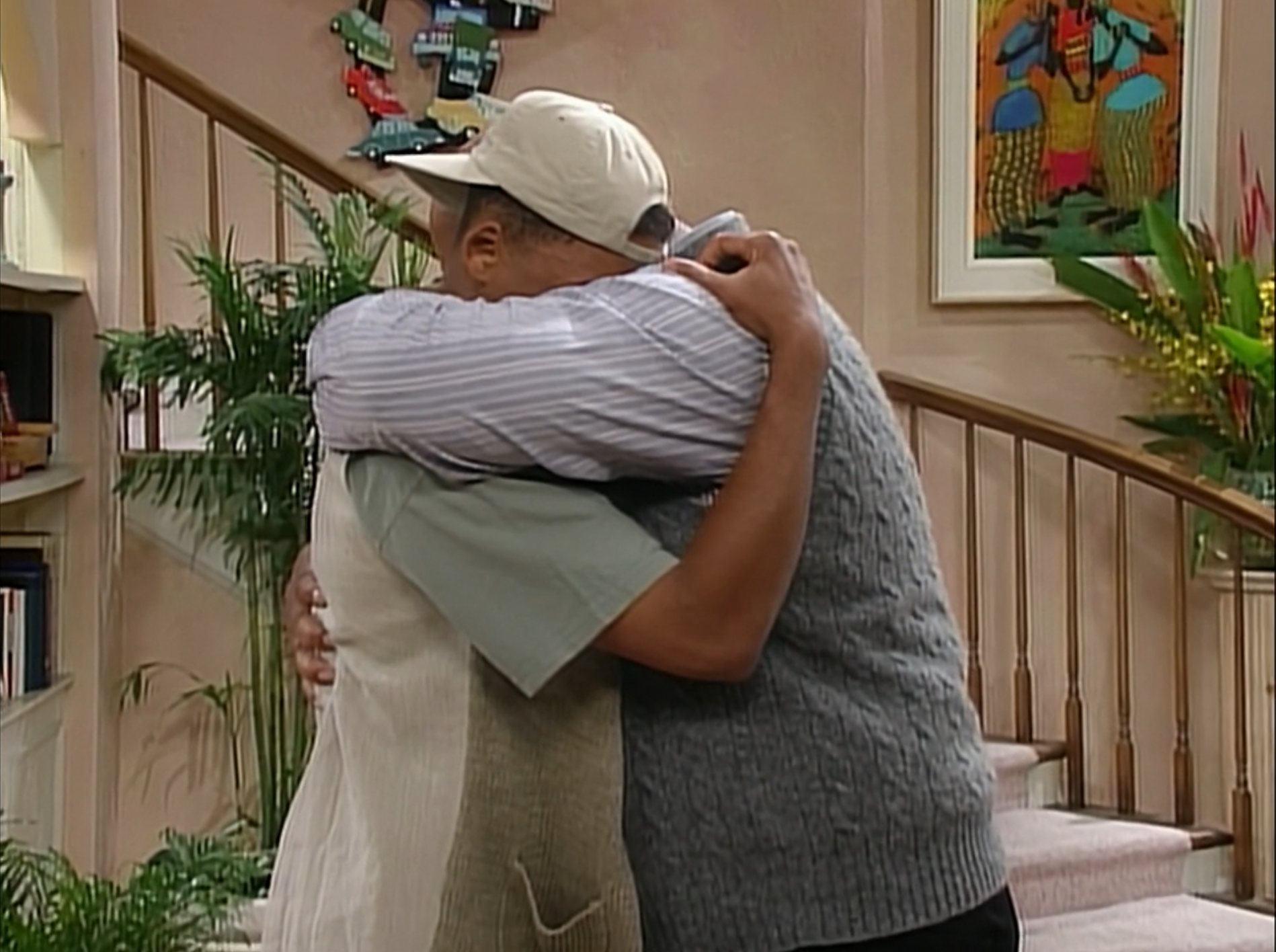
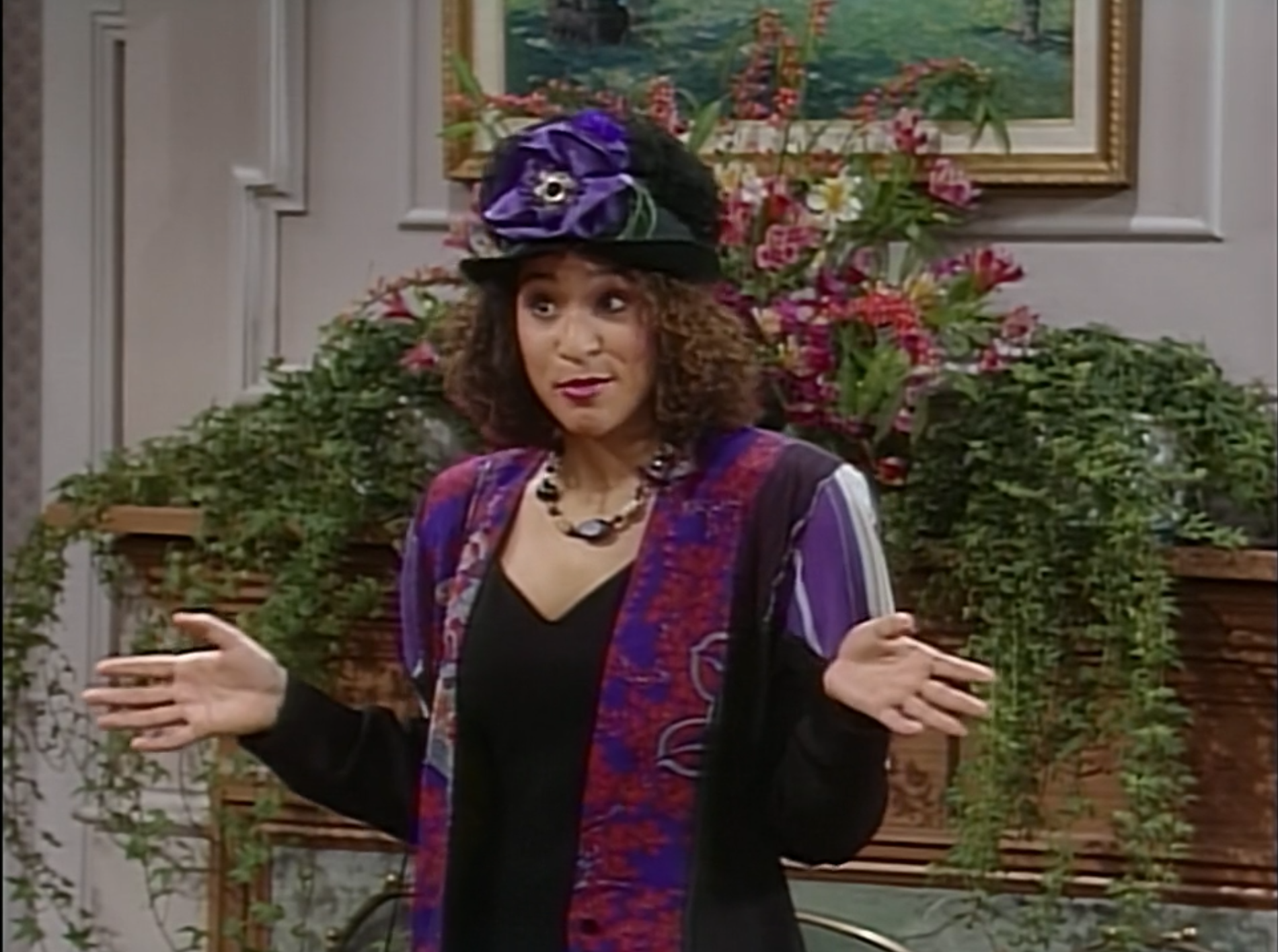
Each character had their moment in the spotlight, contributing to the show's multifaceted portrayal of Black life and the generational differences within a family.
In the streaming era, "The Fresh Prince of Bel-Air" has found a new audience, resonating with viewers who appreciate its timeless humor and its progressive, yet nuanced approach to social issues. The show's legacy was further cemented with a reunion special in 2020, and a reimagined drama series titled "Bel-Air" that debuted in 2022, offering a modern take on the classic narrative.
Along with a cultural imprint with Carlton's infamous dance moves, the influence of "The Fresh Prince" has lasting far beyond its six seasons, catapulting Will Smith to stardom, and paving the way for his successful film career.